Most homeowners have had that moment when they pull into the driveway after a long day, look at their yard and think, “This could look so much better.”
Maybe the grass is thin. Maybe there are patches of dirt where grass used to grow. Or maybe you’ve just moved into a new home and you’re staring at an empty lot that doesn’t exactly feel inviting yet.
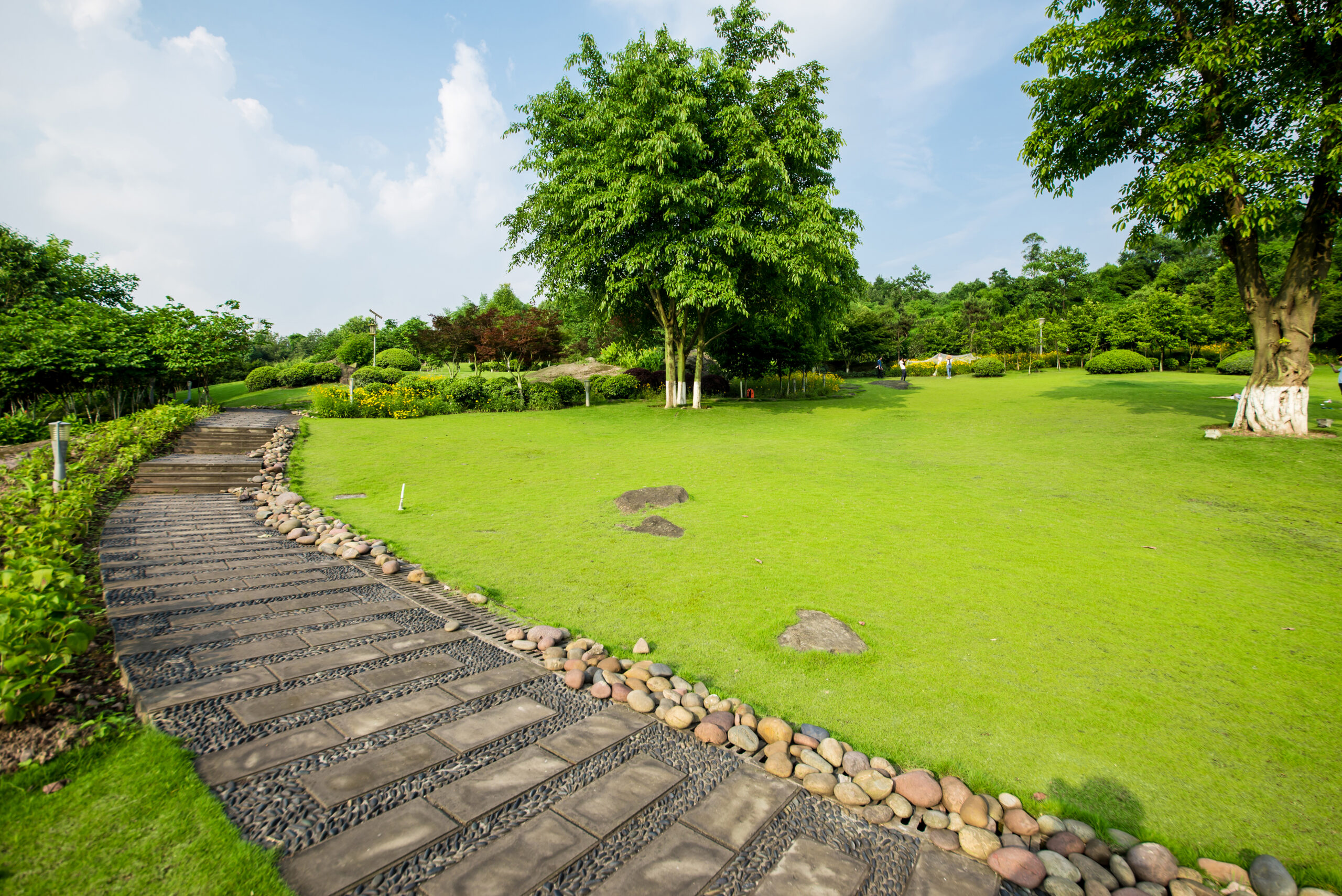
A healthy lawn changes things. It softens the look of a property, creates a space where kids can run around, and makes coming home feel a little nicer.
That’s why many homeowners start looking into sod installation Utah. The idea of getting an instant lawn instead of waiting months for seed to grow is pretty appealing. But before the trucks arrive and the rolls of sod are laid down, there are a few things worth understanding.
While sod can deliver amazing results, the success of the project often comes down to what happens before installation day.
Why So Many Homeowners Choose Sod Installation Utah
Let’s be honest. Growing grass from seed can test your patience.
You water. Then you water some more. You wait for sprouts to appear. A few spots come in nicely while others don’t. Weeds somehow seem to grow faster than the grass you actually planted. Add Southern Utah wind to the mix, and keeping seed where it’s supposed to be can feel like a project all by itself.
Sod offers a shortcut, but in a good way.
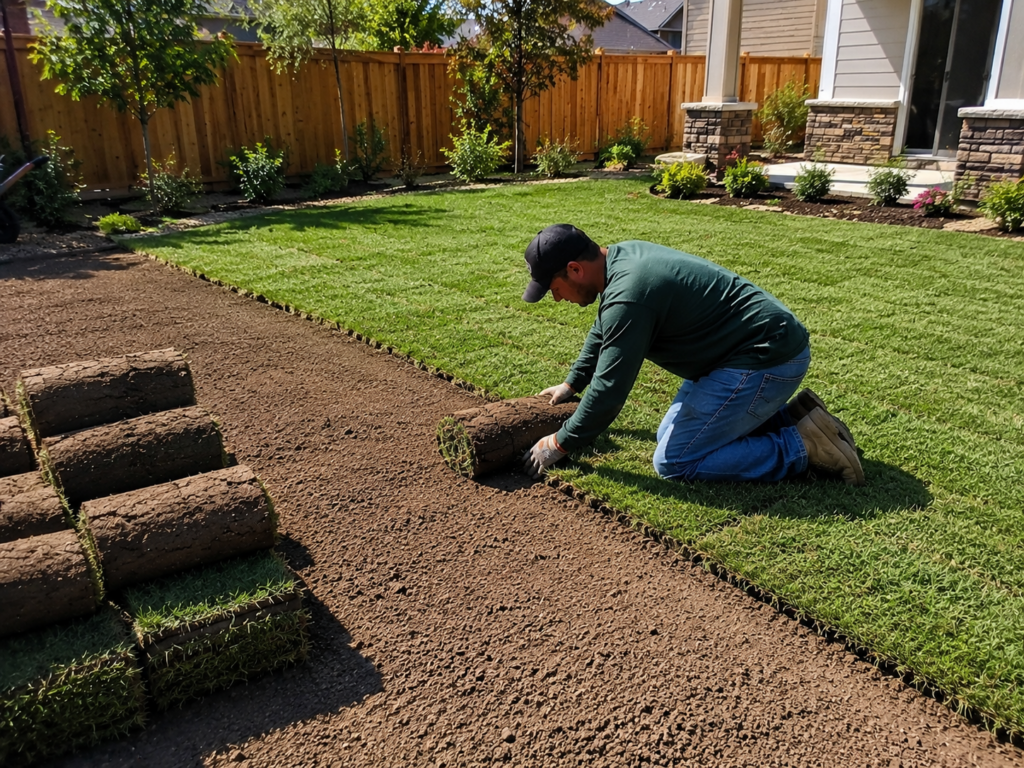
Instead of waiting months for seed to grow into an established lawn, you’re installing mature grass that has already been professionally grown. In many cases, a bare yard can look completely transformed in a single day.
For families planning outdoor gatherings, homeowners preparing to sell, or anyone who simply wants results sooner rather than later, that immediate improvement can be a huge advantage.
Utah Isn’t the Easiest Place for Grass
People who are new to Utah sometimes underestimate how challenging the climate can be.
One month your established lawn is dealing with dry heat. A few months later, freezing temperatures arrive. Add in the varying soil conditions found across Utah and it becomes clear why some lawns thrive while others struggle.
We see this pretty often in Utah. A lawn can look fantastic in the spring but by late summer it looks like it has given up completely.
The issue isn’t the lawn itself. It’s the grass variety.
Different sod varieties handle Utah’s conditions differently. Some tolerate heat better. Others perform well in colder temperatures. Choosing the right variety from the start can save a lot of frustration later.
The Part Nobody Gets Excited About
Soil preparation isn’t exactly the glamorous side of landscaping.
Most people get excited about the finished lawn. They picture green grass, backyard barbecues, and improved curb appeal.
Few people get excited about soil testing.
But here’s the truth.
The condition of the soil underneath the sod often plays a major role in whether the lawn is successful or if it struggles.
Compacted soil can limit root growth. Poor drainage can create standing water. Nutrient deficiencies can slow establishment.
A good installer spends time preparing the site properly because they know what happens when corners are cut.
Think about painting a wall. The preparation work isn’t fun, but it directly affects how good the final result looks.
Timing Makes a Difference
Technically, sod can be installed during much of the year.
That doesn’t mean every season is equally ideal.
Spring tends to be popular because temperatures are moderate and the growing season is ahead. Early fall is another excellent option because the grass can establish roots without battling intense summer heat.
Summer installations can absolutely work, but they require more attention. Utah’s dry air can pull moisture out of new sod surprisingly fast.
Miss a few watering cycles during a heat wave and the lawn may start showing signs of stress almost immediately.
That’s why timing matters more than many homeowners realize.
The First Two Weeks Require commitment.
This is where a lot of homeowners make or break the success of a new lawn.
A newly installed lawn looks beautiful, but beneath the surface, the roots are working hard to establish themselves.
Think about transplanting a tree.
The tree may look fine at first, but it still needs time to adjust and grow into its new environment.
Sod works the same way.
During the first couple of weeks, consistent watering is critical. The goal isn’t to keep the lawn flooded. It’s to keep the sod and soil consistently moist while the roots establish.
Many homeowners become nervous during this stage because they don’t see dramatic changes happening. That’s normal. Most of the important work is taking place underground.
Common Mistakes That Cause Problems
One of the biggest mistakes people make is assuming sod is maintenance-free because it already looks finished.
Unfortunately, that’s not how it works.
Some homeowners walk on the lawn too soon. Others mow before the roots have properly established. A few underestimate how much water is needed during the first several weeks.
Another common issue is poor drainage. If water collects in certain areas of the yard, those sections may struggle long after installation is complete.
The good news is that most of these problems are preventable with proper planning and a little patience.
Thinking Beyond the Grass
Something interesting happens after a new lawn is installed.
People start noticing other parts of their yard.
The old flower beds suddenly stand out. The patio feels dated. The empty corners look like missed opportunities.
That’s one reason many homeowners eventually explore residential landscaping Utah projects after upgrading their lawn. A beautiful lawn often becomes the foundation for larger outdoor improvements.
And once you see the transformation, it’s easy to understand why.
The Yard Doesn’t Stop at the Lawn
A beautiful lawn looks great during the day.
But have you ever seen a well-designed landscape in the evening?
It’s a completely different experience.
Strategic landscape lighting Utah can highlight trees, illuminate pathways, and create a welcoming atmosphere after dark. It’s one of those upgrades that often gets overlooked at first but makes a noticeable difference once it’s in place.
Sometimes it’s the small details that bring an outdoor space together.
Final Thoughts
At first glance, sod installation seems simple.
Lay the grass. Water it. Enjoy the results.
But homeowners who have been through the process know there’s a bit more to it than that.
The real success happens long before the sod is installed. Choosing the right grass variety. Preparing the soil correctly. Paying attention to watering during those first crucial weeks.
And maybe that’s what makes a great lawn so satisfying.
It isn’t just about having green grass. It’s about creating a space where life happens. Weekend cookouts. Kids playing in the yard. Quiet evenings outside after work.
Years from now, most people won’t remember the installation process.
They’ll remember the memories made in the space it helped create.
That’s what makes the investment worthwhile.
FAQs:
1. How long does sod take to establish in Utah?
Most sod begins rooting within 10 to 14 days when properly watered. Full establishment typically takes about 4 to 8 weeks, depending on the grass variety, weather conditions, and soil quality.
2. What is the best time of year for sod installation in Utah?
Spring and early fall are generally the best times for sod installation because temperatures are milder and grass can establish roots more easily. Summer installations can also be successful with proper irrigation and care.
3. How often should new sod be watered after installation?
New sod should be watered frequently during the first couple of weeks to keep the soil consistently moist. As roots develop, watering can gradually become less frequent but deeper to encourage stronger root growth.
4. Is sod better than grass seed for Utah homes?
Sod provides an instant lawn and typically establishes faster than grass seed. It also helps reduce soil erosion and weed growth, making it a popular choice for homeowners who want quicker and more predictable results.
5. How do I prepare my yard before installing sod?
Proper preparation includes removing weeds and debris, loosening compacted soil, improving drainage if necessary, and adding nutrients based on soil conditions. Good preparation helps ensure healthy root development and long-term lawn success.