Across Utah, homeowners are rethinking how their outdoor spaces are designed and used.
Landscape Solutions Utah in 2026 is shifting toward lower maintenance, smarter water use, functional outdoor living, and long-term durability. Instead of oversized lawns that require constant upkeep, more homeowners are investing in landscapes built for Utah’s climate and everyday life.
From drought-conscious plant design to outdoor gathering spaces and smart irrigation systems, today’s landscaping priorities are becoming more practical, efficient, and intentional.
In Southern Utah especially, homeowners are prioritizing landscapes that can handle extreme summer heat while still looking clean and functional year-round.
With rising water costs and more time spent outdoors, homeowners want landscapes that not only look good but also work well long term.
Water-Wise Landscaping Is Becoming the Standard
Utah homeowners are paying close attention to water usage. According to reports from the Utah Division of Water Resources, outdoor irrigation can account for nearly 65% of residential water use during peak summer months. That number surprises people until they look at a traditional lawn in July.
Because of that, drought-friendly landscaping is no longer considered a “trend.” It’s becoming the standard.
In areas like St. George, Hurricane, and throughout Washington County, drought-conscious landscaping has become increasingly common as homeowners look for ways to reduce water use without sacrificing curb appeal.
Many homeowners are replacing high-maintenance grass with:
- Native Utah plants
- Decorative gravel and stone
- Artificial turf in smaller areas
- Drip irrigation systems
- Mulched planting beds
The nice thing is these yards no longer look dry or plain like older xeriscaping designs. Modern drought-conscious landscaping actually looks clean, layered, and surprisingly upscale.
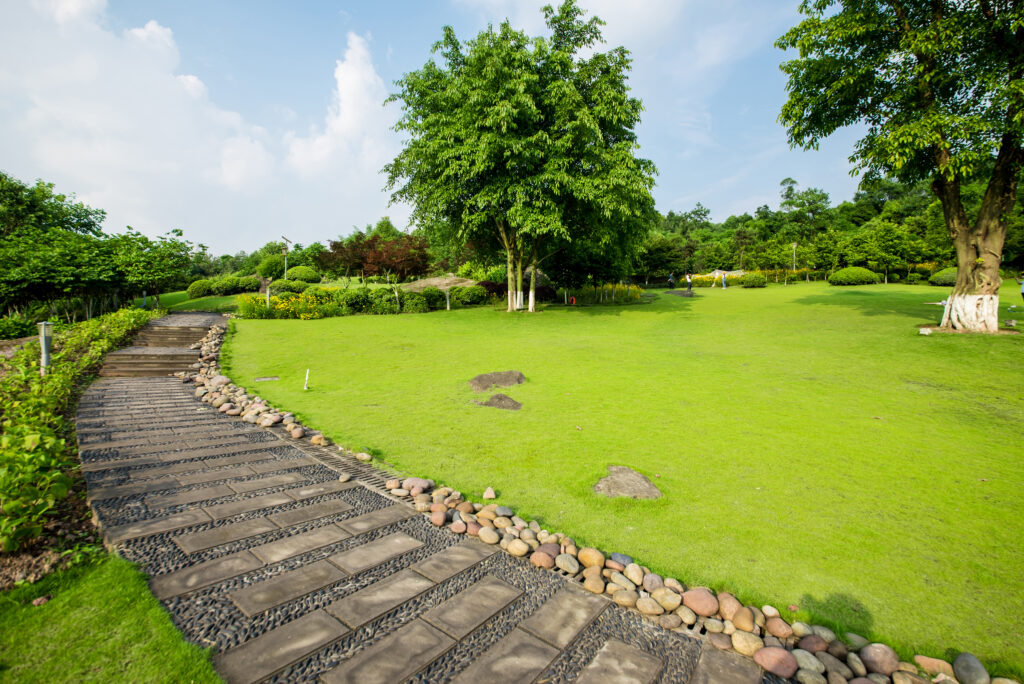
You’ll see more homes mixing natural stone with desert plants, ornamental grasses, and shaded sitting areas. It feels more organic. Less forced.
Homeowners are looking for landscape solutions in Utah that balance appearance, functionality, water efficiency, and long-term durability. More importantly, they want professionals who understand Utah’s climate instead of applying designs that work better in completely different regions.
Outdoor Living Spaces Designed for Everyday Use
A few years ago, patios were mostly occasional-use areas. Maybe a barbecue once in a while. Maybe a few chairs nobody used.
Now? Completely different story.
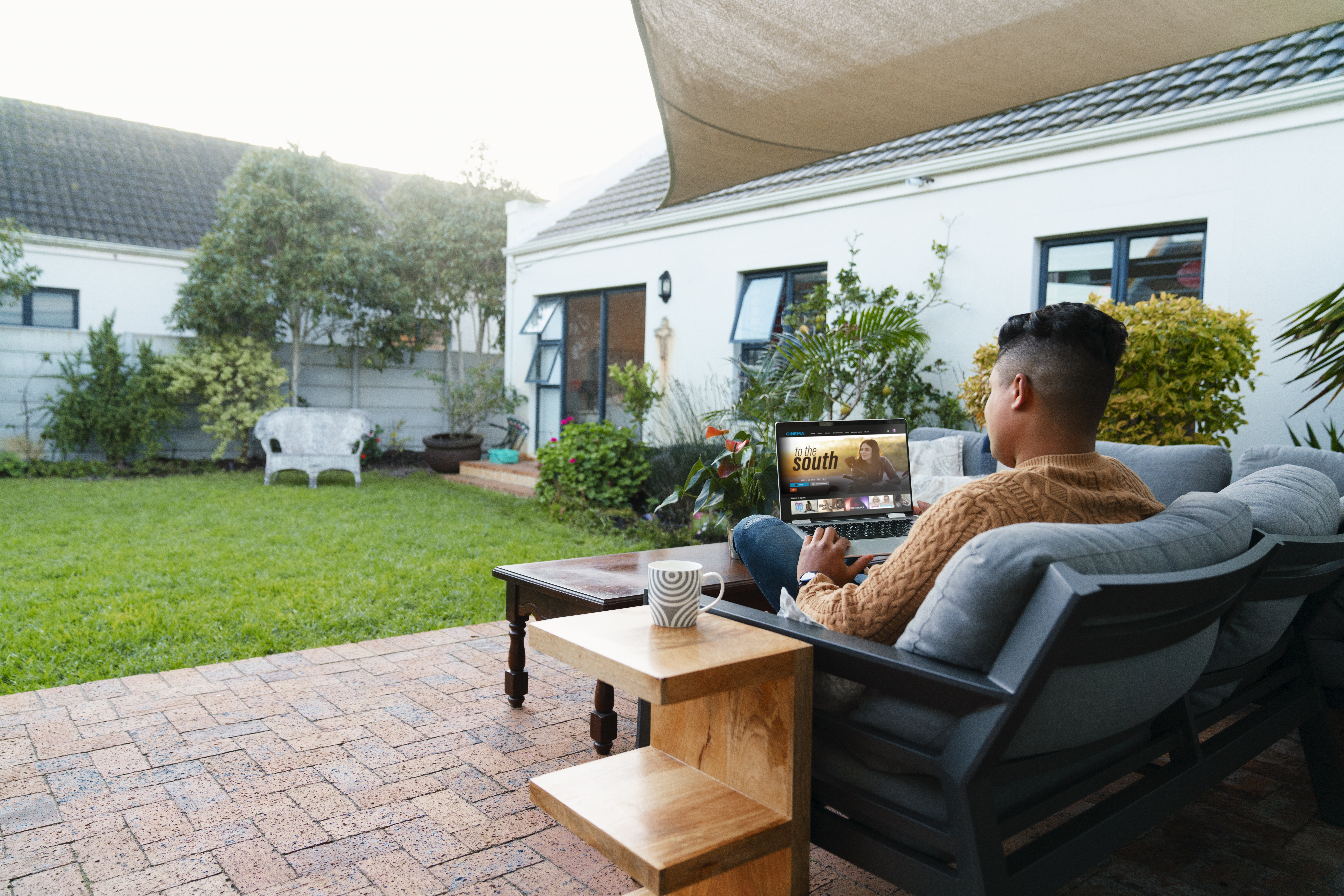
Families want outdoor areas they can actually live in. Covered patios, outdoor kitchens, fire features, pergolas, and comfortable lighting setups are showing up in neighborhoods all over the state.
People are also designing spaces around smaller moments:
- Morning coffee outdoors
- Quiet evening seating
- Family dinners outside
- Watching kids play while relaxing nearby
- Weekend gatherings without leaving home
There’s a stronger emotional connection to outdoor spaces now. Homeowners want their yards to feel calming after busy days.
Interestingly, a 2025 remodeling survey from outdoor design industry groups found that professionally designed outdoor living upgrades can return up to 60% to 80% of their installation value, depending on the project type and local market conditions. That resale potential is definitely influencing decisions.
Smart Irrigation Technology Is Taking Over
One thing homeowners are tired of? Wasting money watering landscapes that don’t need it.
Smart irrigation systems are becoming incredibly common across Utah properties in 2026. These systems adjust watering schedules automatically based on:
- Weather conditions
- Soil moisture
- Temperature changes
- Seasonal shifts
Some systems can even be controlled from a phone while homeowners are away.
Once homeowners experience lower water bills combined with healthier plants, they rarely go back to traditional sprinkler timers.
An experienced Southern Utah landscaper understands that irrigation efficiency, drainage planning, plant selection, and long-term maintenance all matter just as much as appearance.
Low-Maintenance Designs Are Winning
Homeowners still want attractive outdoor spaces, but many are moving toward low-maintenance landscaping that reduces weekly upkeep, irrigation demands, and long-term maintenance costs.
That’s driving demand for simpler, smarter layouts.
Low-maintenance landscaping in 2026 usually includes:
- Fewer large lawn areas
- Perennials instead of seasonal flowers
- Durable hardscape materials
- Automated irrigation
- Native plant combinations
- Minimal pruning requirements
Homeowners are realizing they can have attractive landscapes without constant upkeep.
For busy families and retirees especially, simpler landscape designs create outdoor spaces that are easier to enjoy year-round.
Native and Climate-Adapted Plants Are Everywhere
This might be one of the biggest changes happening across Utah landscapes right now.
Instead of forcing delicate plants to survive harsh summers, homeowners are choosing species that naturally thrive in Utah’s environment.
Popular choices include:
- Red yucca
- Lavender
- Russian sage
- Desert willow
- Blue fescue
- Penstemon
- Agastache
These plants typically require less water, fewer chemicals, and less maintenance overall.
But there’s another reason people love them.
They actually belong here.
Native plants often attract pollinators, support local ecosystems, and stay healthier through temperature swings. Landscapes feel more natural when the plants match the environment around them.
Landscape Solutions Utah Lighting Is Playing a Bigger Role
Landscape lighting used to be treated like an afterthought. Not anymore.
Homeowners in 2026 are using outdoor lighting to completely transform their properties after sunset.
Popular lighting upgrades include:
- Pathway lighting
- Uplighting for trees
- Patio ambiance lighting
- Step lighting
- Accent lighting around water features
- Warm LED gathering spaces
Good lighting adds security, but it also changes how a space feels emotionally. A backyard with thoughtful lighting feels usable at night instead of forgotten once the sun goes down.
It creates an atmosphere. That matters more than people realize.
Functional Front Yards Are Replacing Empty Lawns
This trend has become really noticeable lately.
Instead of giant front lawns that rarely get used, homeowners are creating front yards with actual function and personality.
Some are adding:
- Seating areas
- Decorative pathways
- Native gardens
- Courtyard-style entrances
- Shade trees
- Rock features
- Pollinator gardens
It gives homes more character while reducing unnecessary maintenance.
In many Utah communities, this approach is also helping homeowners reduce water usage significantly without sacrificing curb appeal.
Sustainability Is Influencing Landscaping Decisions
More homeowners are asking where materials come from, how much water landscapes need, and whether outdoor designs will still make sense ten years from now.
That long-term thinking is shaping modern landscaping decisions across the state.
Many residential landscaping services in Utah are now incorporating sustainable practices such as:
- Permeable pavers
- Recycled materials
- Efficient drainage systems
- Reduced turf installation
- Soil improvement methods
- Water-conscious plant planning
Sustainability is becoming less of a trend and more of a long-term planning priority for Utah homeowners.
Final Thoughts
Utah landscaping in 2026 is moving toward something more balanced.
People still want beautiful outdoor spaces. Of course they do. But now they also want landscapes that feel practical, relaxing, efficient, and personal.
The oversized lawns and high-maintenance designs that once dominated neighborhoods are slowly giving way to smarter outdoor environments designed around real life.
And maybe that’s the biggest shift of all.
Homeowners are no longer landscaping just to impress people driving by. They’re creating outdoor spaces they genuinely want to spend time in.
FAQs:
1. What are the most popular landscaping trends in Utah for 2026?
Homeowners in Utah are focusing on water-wise landscaping, outdoor living spaces, smart irrigation systems, native plants, and low-maintenance yard designs. These trends help reduce water use while improving curb appeal and outdoor comfort.
2. Why are drought-tolerant landscapes becoming more common in Utah?
Utah’s dry climate and rising water costs have encouraged many homeowners to choose drought-friendly landscaping. Native plants, drip irrigation, and decorative rock features help conserve water while still creating attractive outdoor spaces.
3. Do professional landscaping upgrades increase home value?
Yes. Professionally designed landscapes can improve curb appeal and may increase property value. Features like outdoor patios, lighting, and efficient irrigation systems are especially attractive to modern buyers.
4. What plants work best for Utah residential landscapes?
Popular choices include lavender, red yucca, penstemon, Russian sage, blue fescue, and desert willow. These plants adapt well to Utah’s climate and typically require less maintenance and watering.
5. How does smart irrigation help homeowners save money?
Smart irrigation systems automatically adjust watering schedules based on weather and soil conditions. This helps reduce unnecessary water use, lowers utility bills, and keeps plants healthier throughout the year.
6. What should homeowners look for when hiring a landscaping company in Utah?
Homeowners should look for experience with Utah’s climate, water-efficient landscape planning, quality project portfolios, and knowledge of native plants and irrigation systems. A reliable landscaper should also understand long-term maintenance needs.